STRAAM Gen 5: Structural Assessment and Monitoring in One Platform
STRAAM’s Gen 5 overview describes a platform that combines short-duration structural dynamic assessment with continuous monitoring, cloud reporting, and alerting for buildings, bridges, and dams.
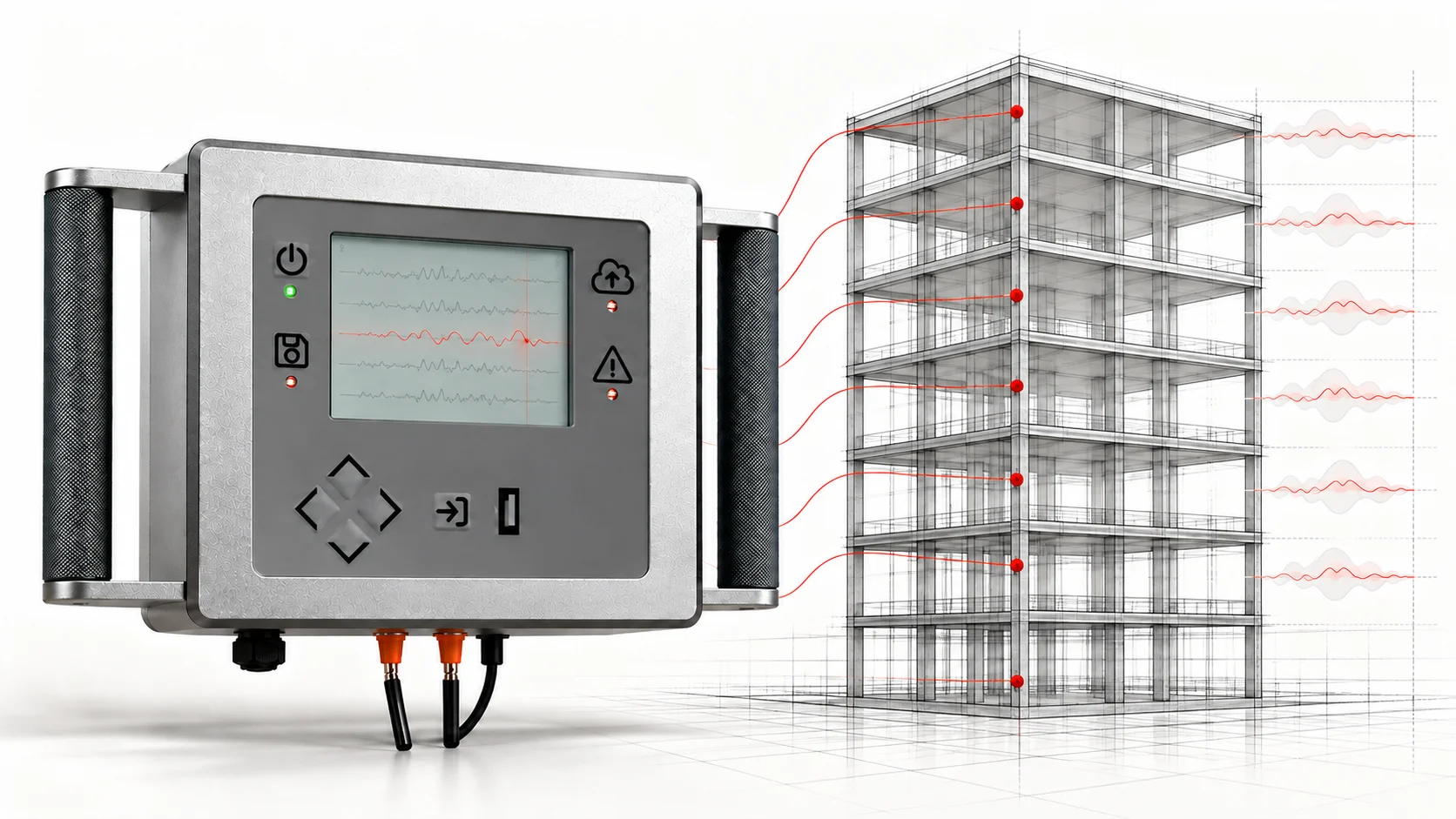
STRAAM’s September 2025 overview presents Gen 5 as a structural assessment and monitoring platform for buildings, bridges, and dams. Its central idea is to combine measured structural response with ongoing observation so asset teams can see how a structure behaves, track meaningful change, and decide where engineering attention is needed.
From short assessment to ongoing monitoring
For a structural assessment, the overview describes wireless sensors collecting response data for a dynamic analysis. STRAAM says a focused assessment can be completed in about a day, and that its methods include nonlinear analysis intended to help examine capacity and damage. Actual duration, scope, and conclusions depend on the structure, access, instrumentation, and engineering question.
For continuing observation, the platform is described as using wireless, self-powered sensors connected to STRAAM’s cloud. The web interface is intended to provide current readings, historical records, dashboards, reports, and threshold-based alerts. The overview lists modal properties—including resonant frequencies, mode shapes, and nonlinear damping—as available measures, with API connections for client systems.
STRAAM also describes machine-learning and adaptive-analysis features. These are platform capabilities as stated by the company; they do not remove the need to choose suitable sensors, define thresholds, and have qualified professionals interpret what a change means.
Information for different asset decisions
The overview identifies several intended applications:
- Real estate and insurance: add structure-specific information to property assessment and risk management.
- Engineering: support inspections, model calibration, and structural commissioning.
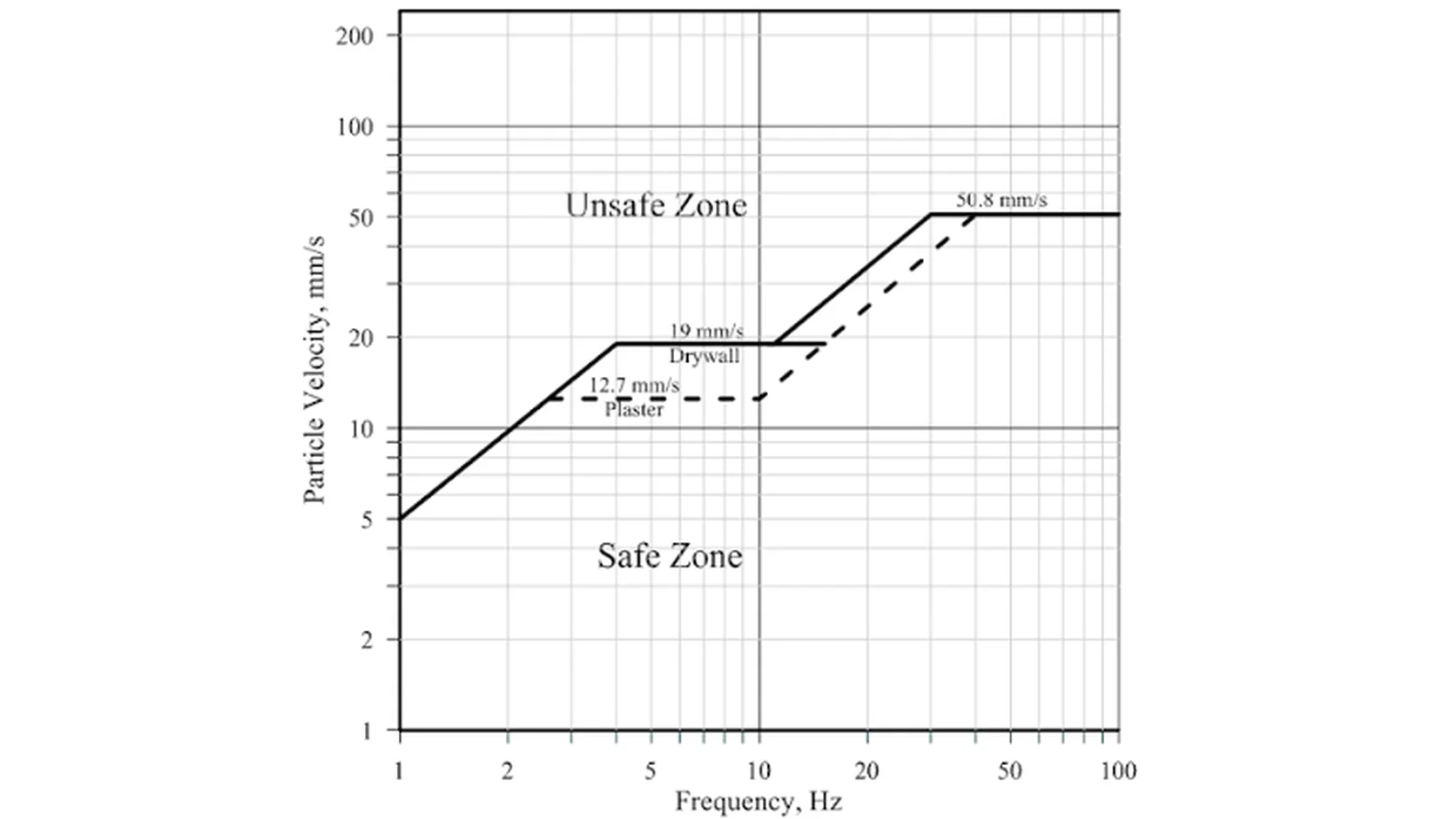
- Construction: observe structures during nearby work and review response changes.
- Critical infrastructure: monitor assets such as bridges, dams, and electrical-grid structures.
- Public agencies and response teams: use a shared record and status view to inform assessment and follow-up.
These applications share a basic workflow: establish what is being measured, collect a reference record, decide what change warrants review, and route the resulting information to the people responsible for the asset.
Evidence, alerts, and engineering judgment
A sensor reading is not, by itself, a finding of damage or a certification of safety. Sensor location, installation, operating conditions, data quality, and the threshold selected all affect how an alert should be interpreted. A useful monitoring plan pairs the data with an owner, an escalation path, and a defined engineering response.
The company overview includes a recommendation attributed to Matt Ludwig, PE, of the U.S. Army Corps of Engineers, describing a structural dynamic assessment followed by monitoring after blasts to review the building’s response. It also lists company milestones involving industry awards, patents, and professional recognition. Those statements are reported by STRAAM and provide company context; they are not independent measures of analytical accuracy.
For details on STRAAM’s assessment and monitoring services, visit STRAAM’s contact page.
More from the archive
Keep exploring the evidence.
Browse all insights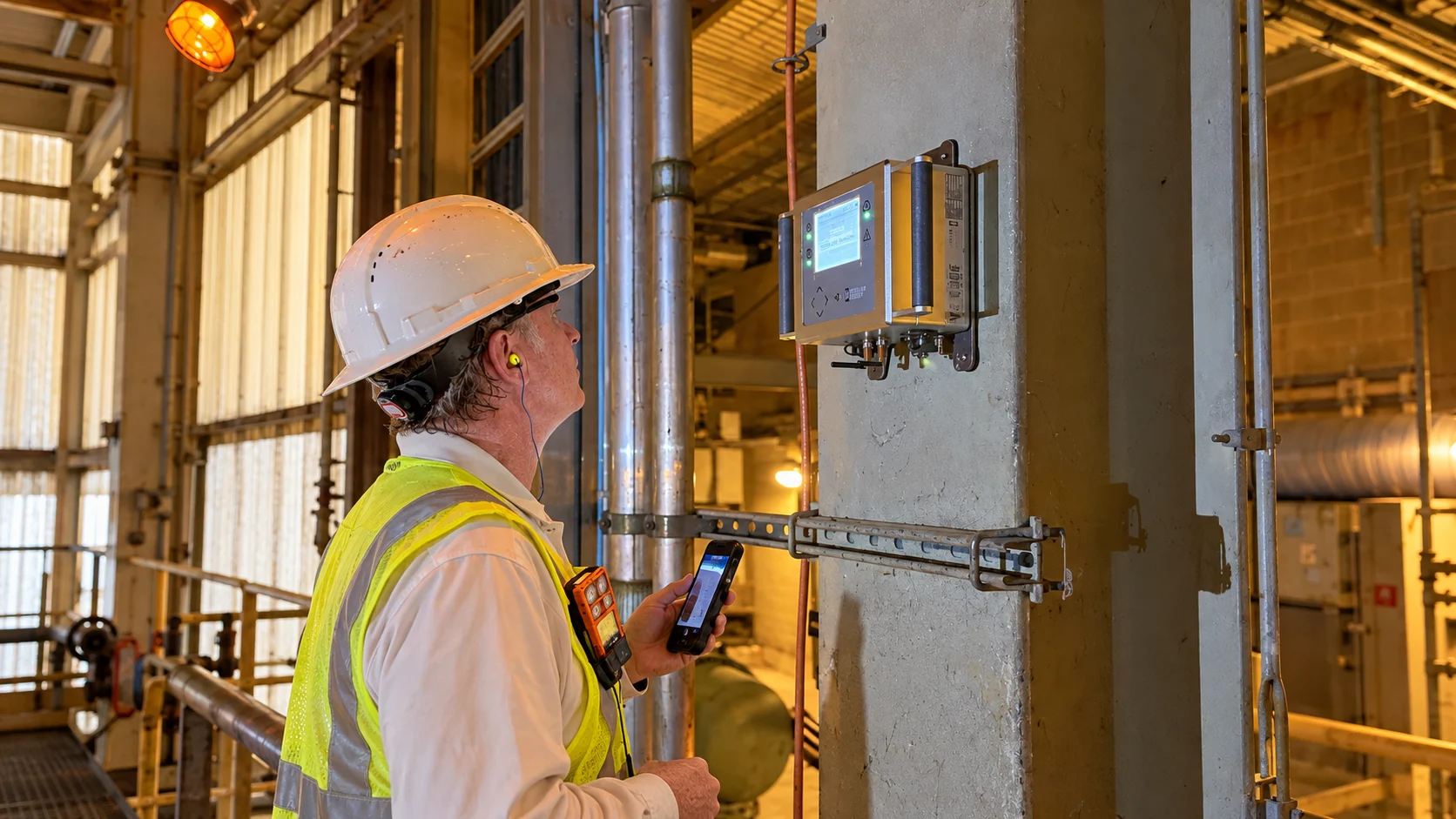
Baseline Dynamic Signatures: A Reference for Continuous Monitoring
A baseline dynamic signature records how a structure responds before monitoring begins. Repeated measurements can then help engineers identify changes that warrant investigation.
Read insight