
Loading page
Allow Google Analytics to measure which site pages are visited and successful inquiries. It loads only after you choose allow. Read the privacy policy.
Our Sectors
STRAAM supports teams across construction, engineering, real estate, insurance, energy, and transportation—bringing measurable structural insight to different challenges, assets, and decisions.


Proactively avoid damage on site.
STRAAM gives owners, engineers, and construction teams objective measurements of how structures actually perform. By establishing a dynamic baseline and tracking small changes in behavior over time, STRAAM supports design validation, rehabilitation, and better-informed decisions that can help prevent small changes from becoming major costs.
Engineering decisions are often based on models, drawings, inspections, and assumptions about how a structure should behave. STRAAM adds measured performance to that process. By capturing a structure’s dynamic response—including frequencies, mode shapes, damping, and other performance characteristics—we provide engineers with data that can help validate analytical models, identify unexpected behavior, and evaluate existing conditions. During construction, STRAAM can establish a baseline and continuously track nearby structures for meaningful changes, helping teams distinguish normal vibration from changes that may require engineering review. The result is objective information that supports design, construction, rehabilitation, and risk management throughout the life of a project.
Asset types in the record
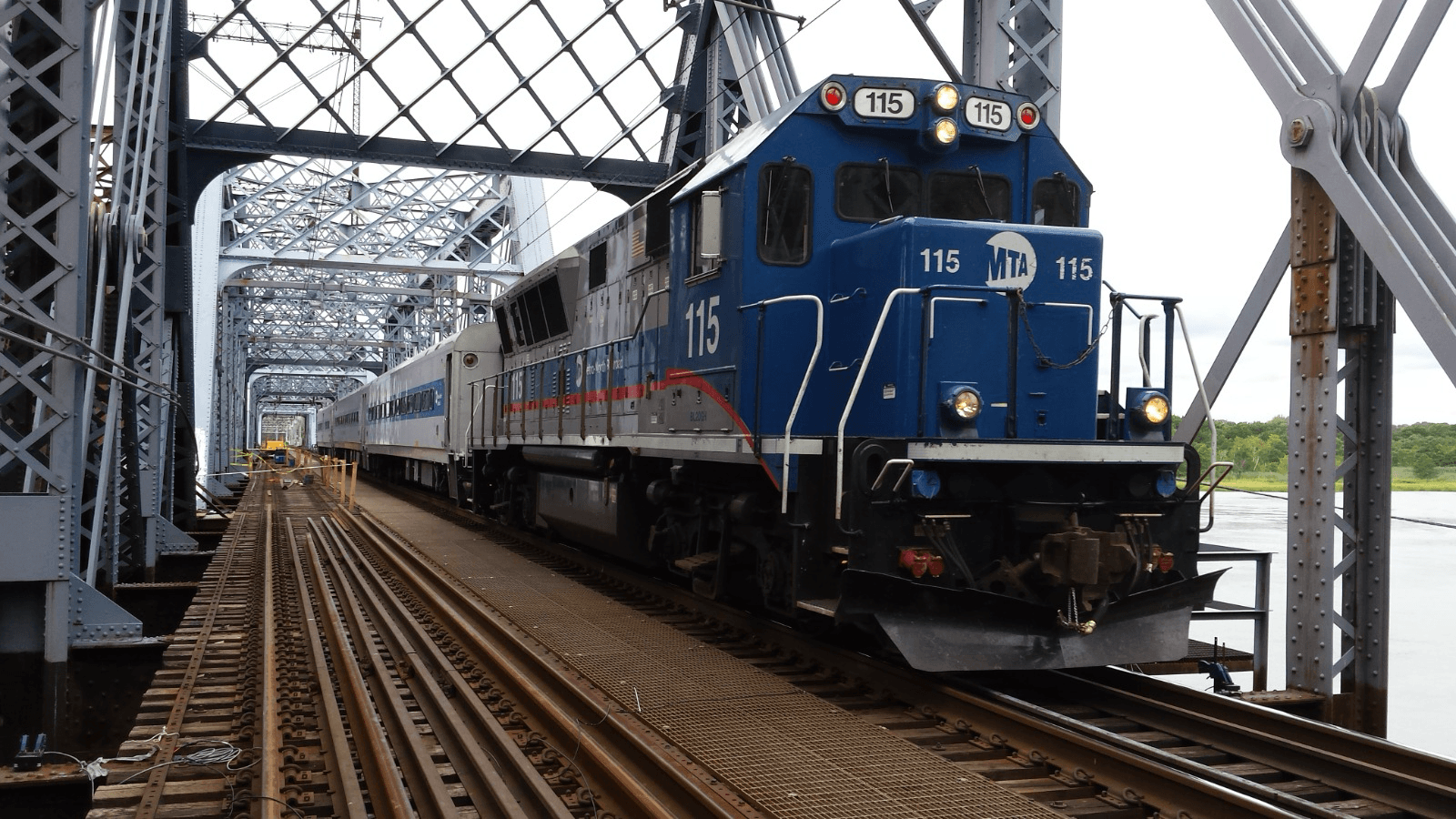
Protect what connects us.
STRAAM provides measurable performance data for bridges and transportation structures, helping owners understand current condition, track change, and make more informed maintenance and operational decisions.
Transportation infrastructure changes with age, loading, environmental exposure, deterioration, and unexpected events. STRAAM uses non-invasive dynamic testing to measure how bridges and other transportation structures actually respond under normal operating conditions—without requiring shutdowns or artificial loading. These measurements can establish a baseline, support periodic assessments, or provide continuous monitoring of changes in frequency, damping, modal behavior, tilt, and overall structural response. With an established baseline, STRAAM can also help evaluate performance after seismic events, impacts, repairs, or other significant changes. By measuring the structure holistically rather than relying only on isolated point measurements, STRAAM provides owners and engineers with objective performance data to support inspection, maintenance, repair validation, and long-term asset management.
Asset types in the record

Understand the Structure. Quantify the Risk.
STRAAM provides owners, investors, property managers, and insurers with objective structural performance data to better understand condition, change, and potential risk.
Structural risk can be difficult to understand from visual inspections and historical documentation alone. STRAAM measures the performance of the whole structure, providing objective information about its current behavior and helping identify differences or weaknesses that may warrant additional investigation. For real estate owners and managers, these measurements can support acquisitions, capital planning, rehabilitation, structural commissioning, and long-term asset management. For insurers, measured performance can provide additional information when evaluating structural risk before coverage and when assessing whether a structure’s behavior changed following a potentially damaging event. A documented baseline also creates a point of comparison for future assessments, helping all parties make decisions with better evidence about the structure itself.
Asset types in the record

Preserve What Matters. Measure What Changes.
STRAAM helps protect sensitive and historic structures by measuring their response before, during, and after nearby activity—without relying solely on visible signs of damage.
Historic structures often present a unique challenge: they may be highly sensitive to nearby construction or environmental activity, while original drawings and reliable structural information may be limited or unavailable. STRAAM uses non-invasive measurements to establish how these structures behave in their existing condition and to identify areas that may be particularly sensitive. During nearby excavation, blasting, demolition, or construction, monitoring can track the structure’s response and provide timely information when behavior changes. Because STRAAM evaluates how the structure itself responds—not simply the intensity of the vibration reaching it—project teams gain a more complete understanding of potential impact while helping protect culturally and historically significant assets.
Asset types in the record
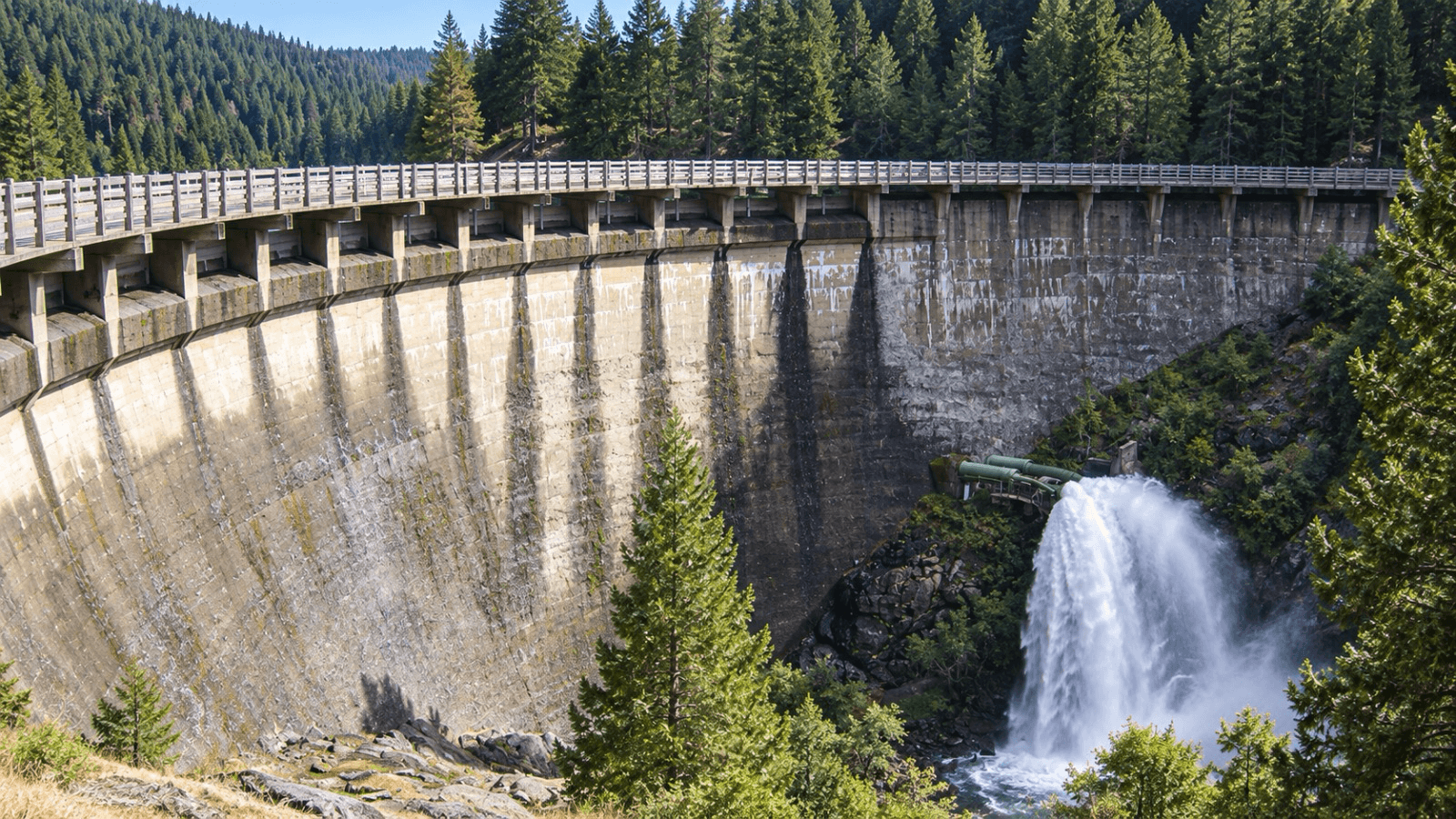
Measure Critical Assets. Track Performance Over Time.
STRAAM helps owners of critical energy infrastructure understand structural performance, identify change, and establish measurable records for long-term asset management.
Energy infrastructure often includes large, complex structures expected to remain operational for decades under demanding conditions. STRAAM provides objective measurements of how these assets behave, helping owners establish their current performance and track changes associated with aging, environmental exposure, loading, repairs, or significant events. Baseline assessments can identify structural characteristics and potential anomalies, while repeat testing or continuous monitoring provides a means of comparing performance over time. For assets such as dams, wind turbines, industrial structures, and other critical facilities, this information can complement inspections and engineering analysis, helping teams evaluate repairs, investigate concerns, and make better-informed decisions about maintenance, operations, and long-term risk.
Asset types in the record