
Loading page
Allow Google Analytics to measure which site pages are visited and successful inquiries. It loads only after you choose allow. Read the privacy policy.
Our History
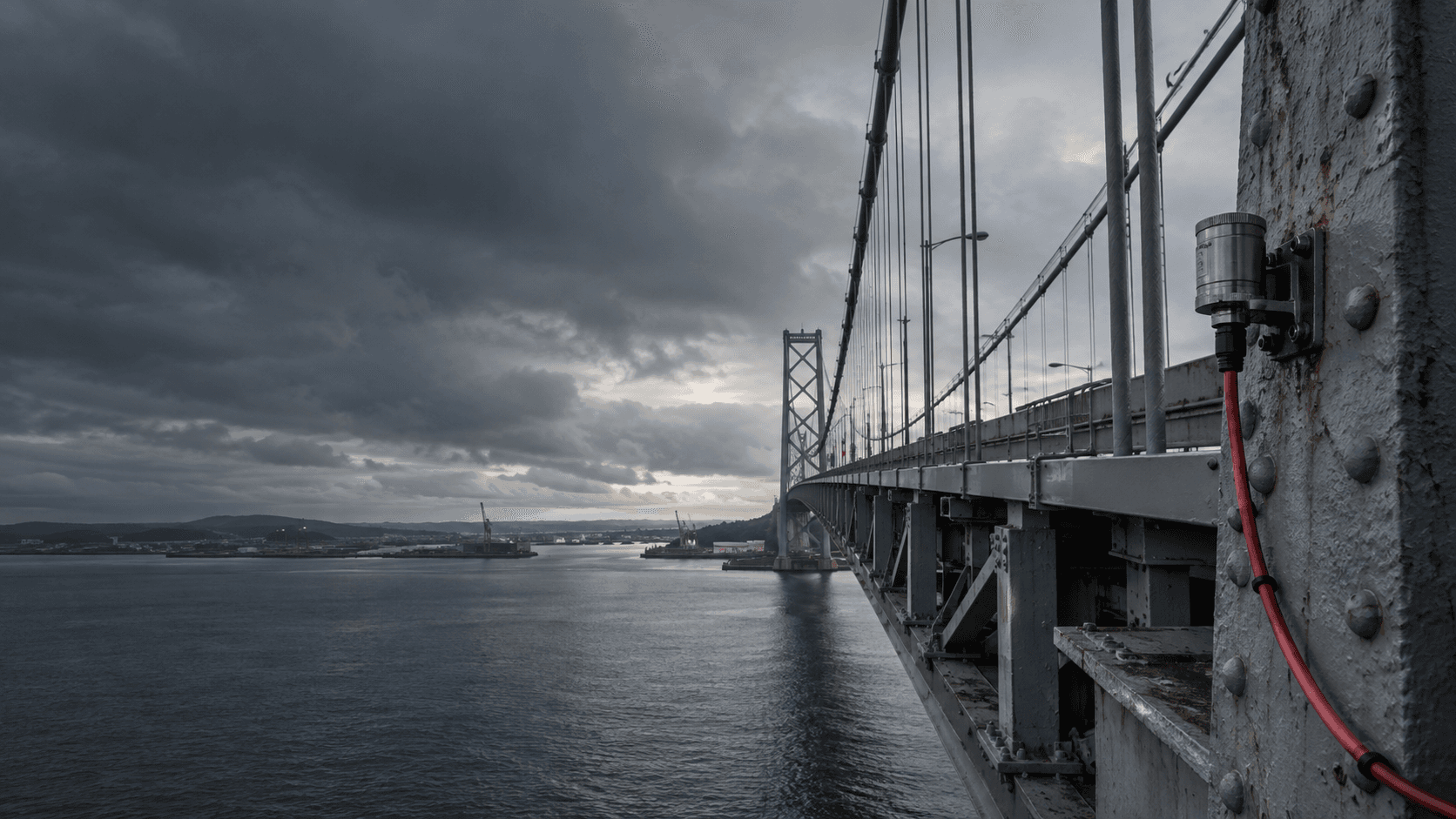
Today, STRAAM applies decades of structural dynamics research to measure how full-scale structures actually behave. By tracking natural frequency, damping, and mode shapes, our technology provides engineers with actionable data on structural performance, change, and condition. What sets STRAAM apart is our advanced non-linear analysis, which delivers clearer structural insights.
The archive follows the engineering developments that made movement measurable, then useful.
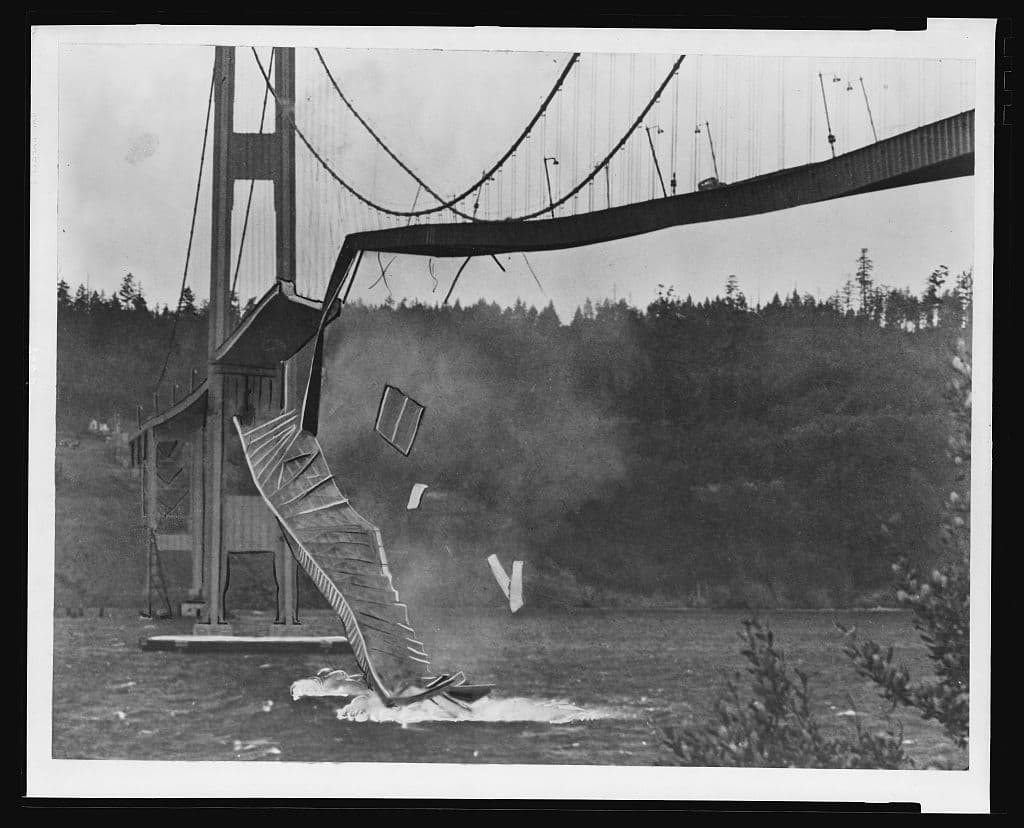
On November 7, 1940, the Tacoma Narrows Bridge collapsed after wind-induced vibrations escalated into a destructive torsional twist. Its failure remains an enduring demonstration that structural movement can reveal instability before failure.
The event fundamentally reshaped civil engineering: structures do not merely support static loads—they dynamically interact with their environment. Understanding wind-structure interaction became foundational to modern structural dynamics. Today’s technology enables dynamic assessments of bridges to quantify these hidden risks.
SOURCENBSIR 88-3703 (1988)
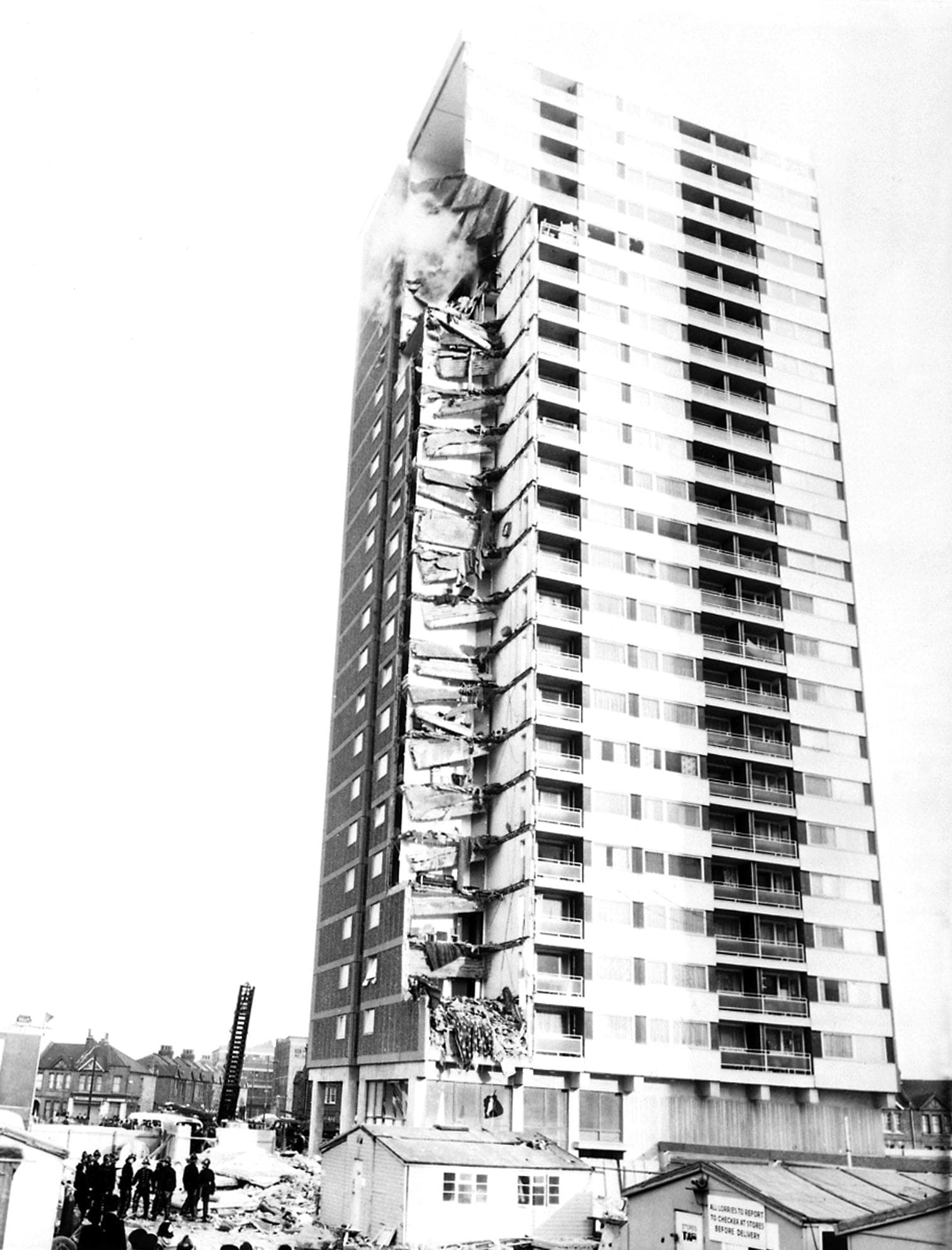
On May 16, 1968, a gas explosion blew out load-bearing wall panels at Ronan Point, triggering a partial collapse of the tower. This landmark failure continues to influence structural engineering today.
The inquiry found that the collapse was inherent in the tower’s design and called for strengthening similar existing blocks against progressive collapse. It also recommended stronger design requirements and codes for new tall blocks. Building codes in many countries later adopted structural integrity or robustness provisions traceable to Ronan Point.
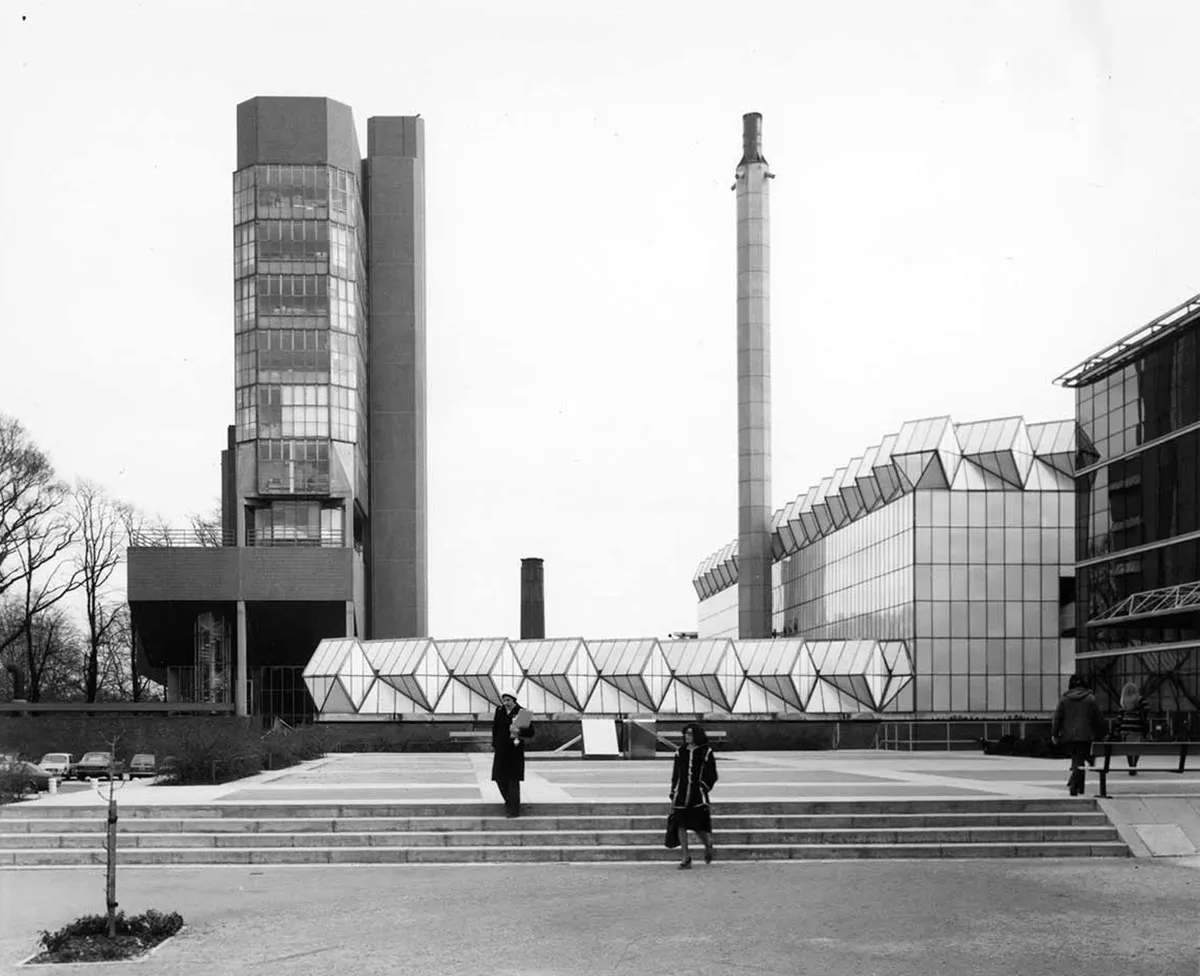
Research moved from idealized models toward measurements taken on buildings and other large structures in service.
Wind, traffic, occupancy, and controlled excitation could all reveal a structure’s dynamic characteristics. During this period, Alan P. Jeary’s work focused on instrumenting full-scale structures and interpreting their natural frequencies, damping, and mode shapes.
Alan P. Jeary’s 1986 study, “Damping in tall buildings—a mechanism and a predictor,” developed a way to estimate damping for a building vibrating at a specified amplitude.
The paper reported that estimates from this approach correlated with values measured in practice. By relating damping to a building’s motion amplitude, the work made damping more useful for understanding real structural response.

In the late 1980s and early 1990s, NIST and its research partners documented field techniques for assessing structural performance.
NISTIR 89-4153 identified research and development needs in instrumentation and measurement techniques and set out recommendations for universities, research establishments, and funding agencies.
NISTIR 4884 compared ambient-vibration measurements with strong-motion records from five buildings that experienced the 1989 Loma Prieta earthquake. It found modal frequencies from ambient measurements were higher than those from earthquake response records, while ambient-vibration damping estimates were substantially lower.
Together, these reports showed how field measurements could be used to identify and compare the dynamic characteristics of existing buildings under different levels of excitation.
Research into nonlinear damping showed that a structure’s response can change with amplitude and loading conditions.
Research on the dynamic behavior of structures was brought together into a practical framework for understanding buildings, bridges, dams, and other full-scale systems.
SOURCENISTIR 89-4153 (1989)NISTIR 4884 (1992)NISTIR 4511 (1991), Figures 3–4
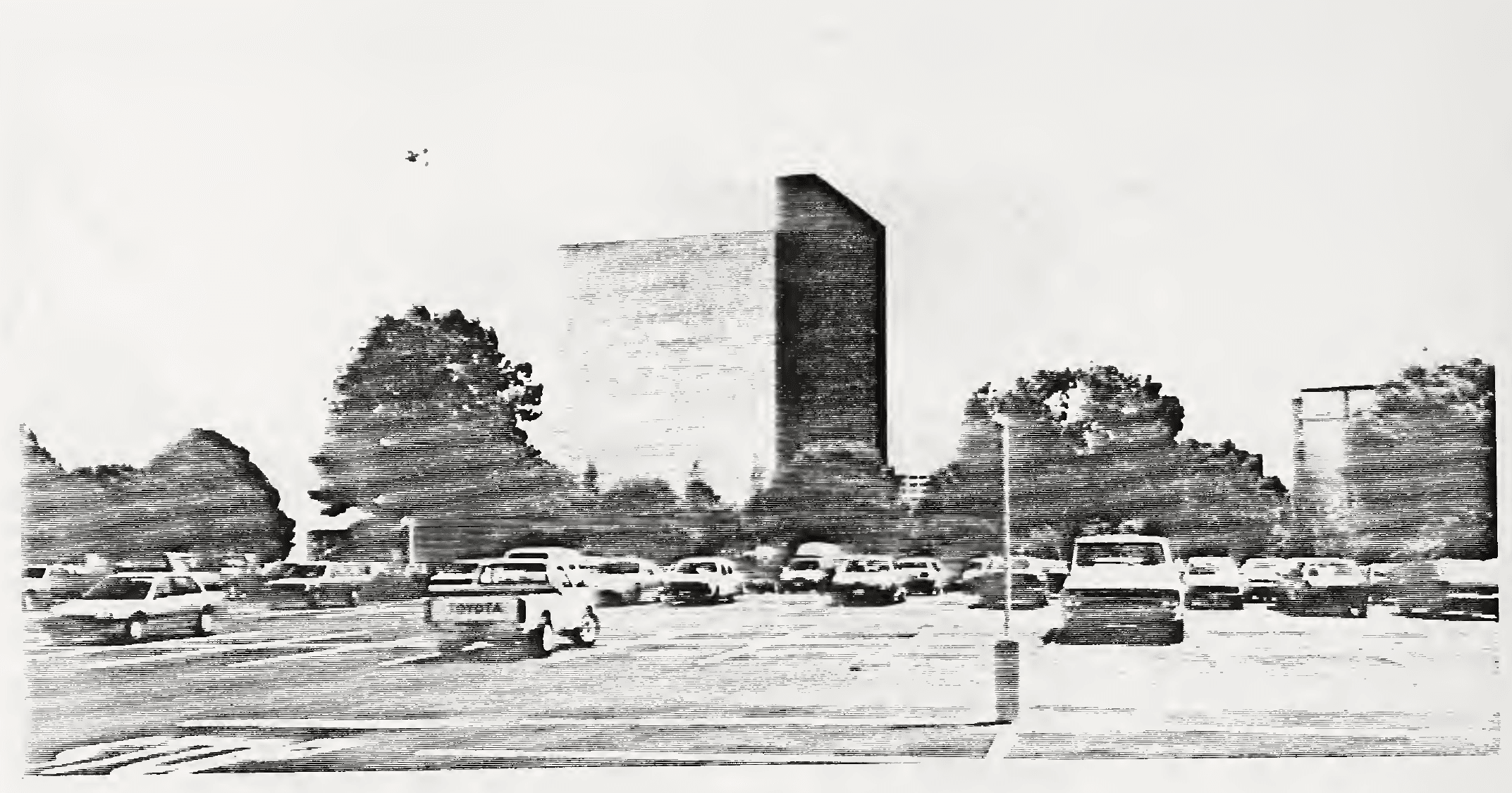 12-story steel-frame Santa Clara County Office Building, San Jose · southeast view.
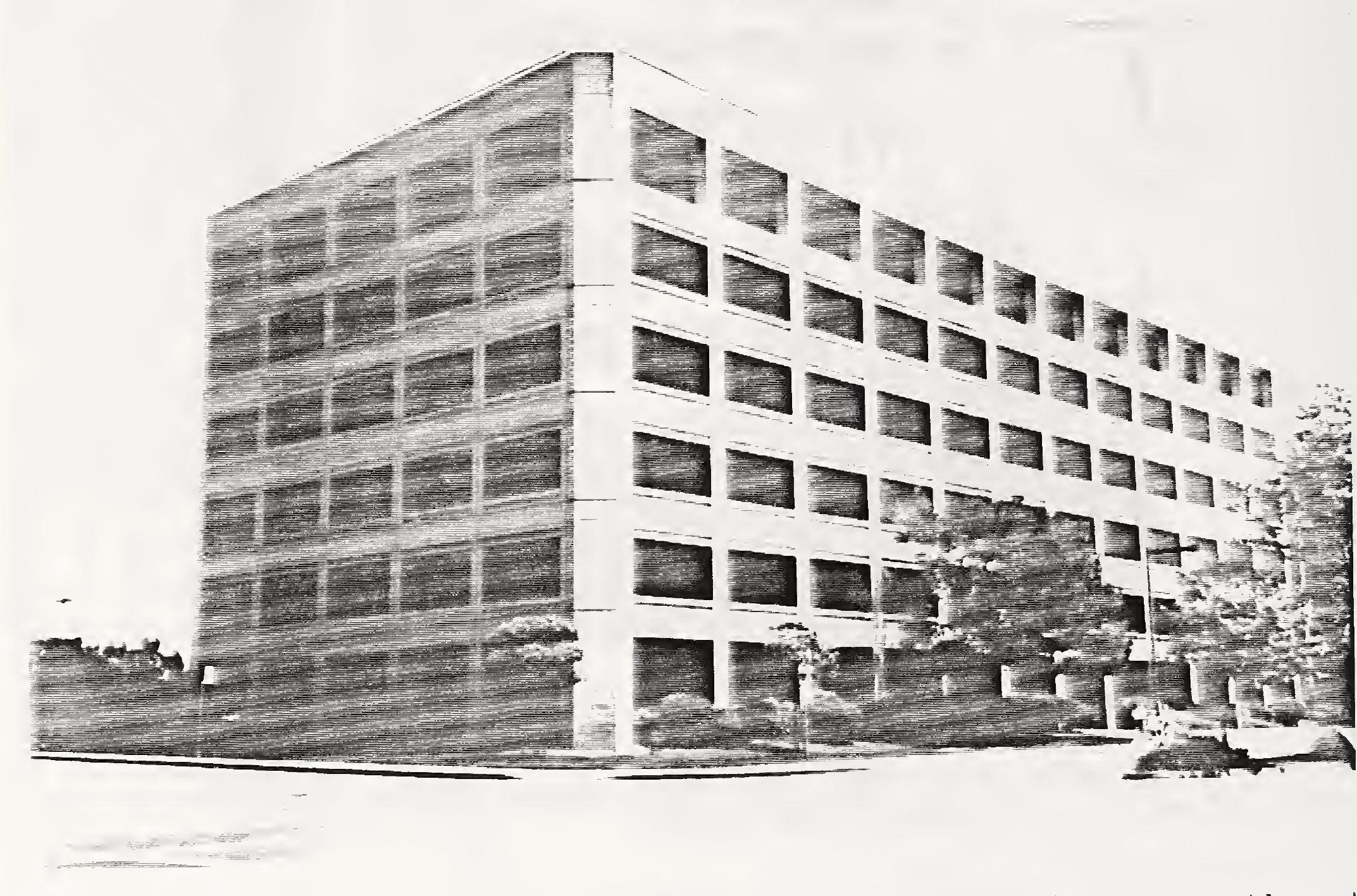 Six-story San Bruno commercial office building studied after Loma Prieta · southeast view.
STRAAM Corp. was co-founded in 2008. In 2014, an employee asset purchase marked the beginning of the STRAAM Group chapter.
The company translated academic research into practical global applications by integrating advanced methodology into a real-time dynamic analysis platform. This commercialized research from government agencies and universities worldwide. Leveraging cloud computing, wireless technology, and advanced processing, modal analysis that once took months can now be performed in hours—enabling high-precision inspection and proactive structural management.

The instruments have changed. The analytical capabilities have advanced. But the underlying principle remains the same: Measure the structure itself.
STRAAM’s non-invasive dynamic monitoring methods add objective performance data to the broader understanding of a structure’s condition. This evidence helps stakeholders understand performance, evaluate condition, and make better decisions about what comes next.