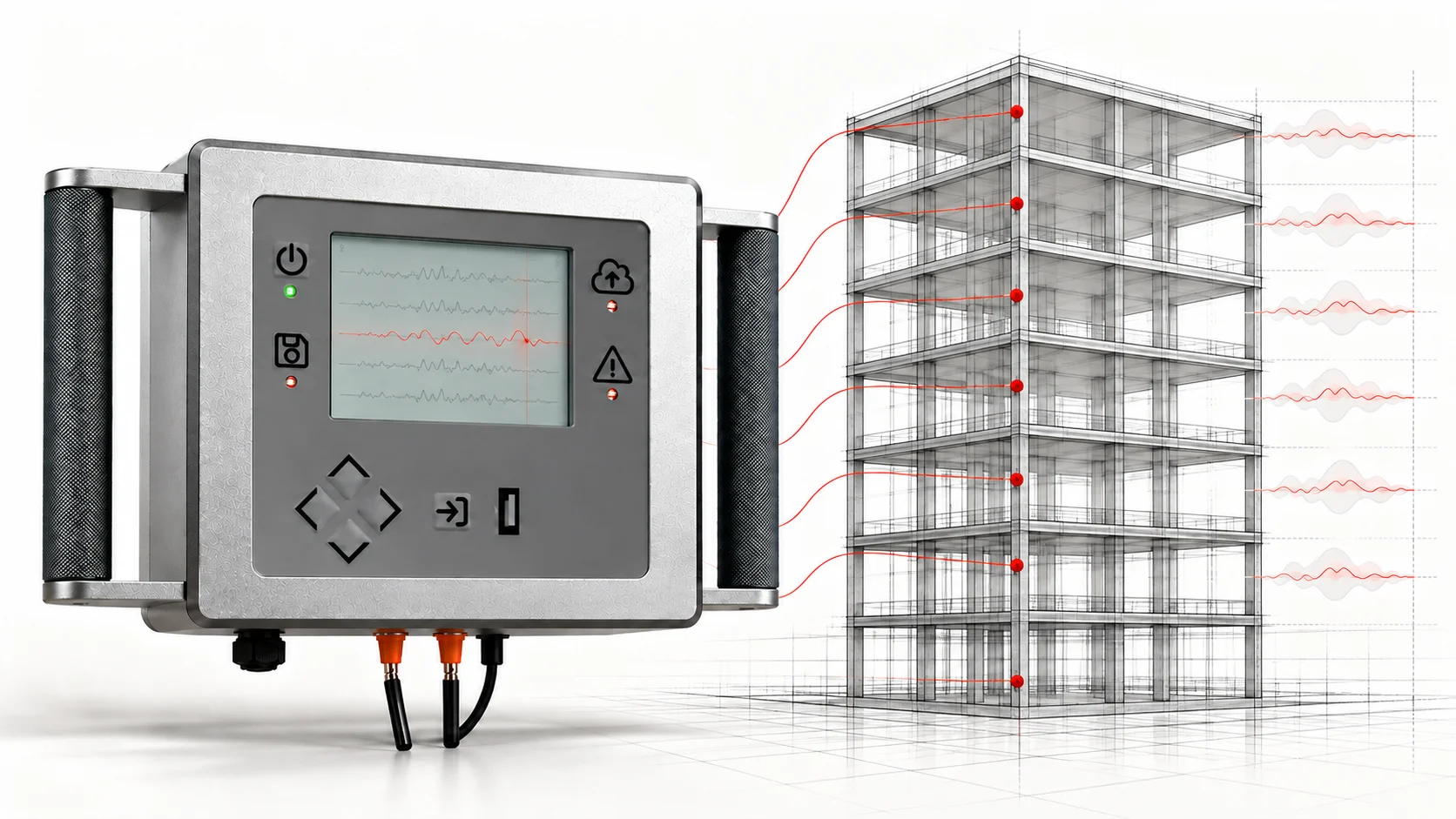
Structural Commissioning: Verify Performance and Feed the Lifecycle
Structural commissioning can connect design intent to measured performance, then carry useful feedback forward to owners, designers, and builders throughout an asset’s life.
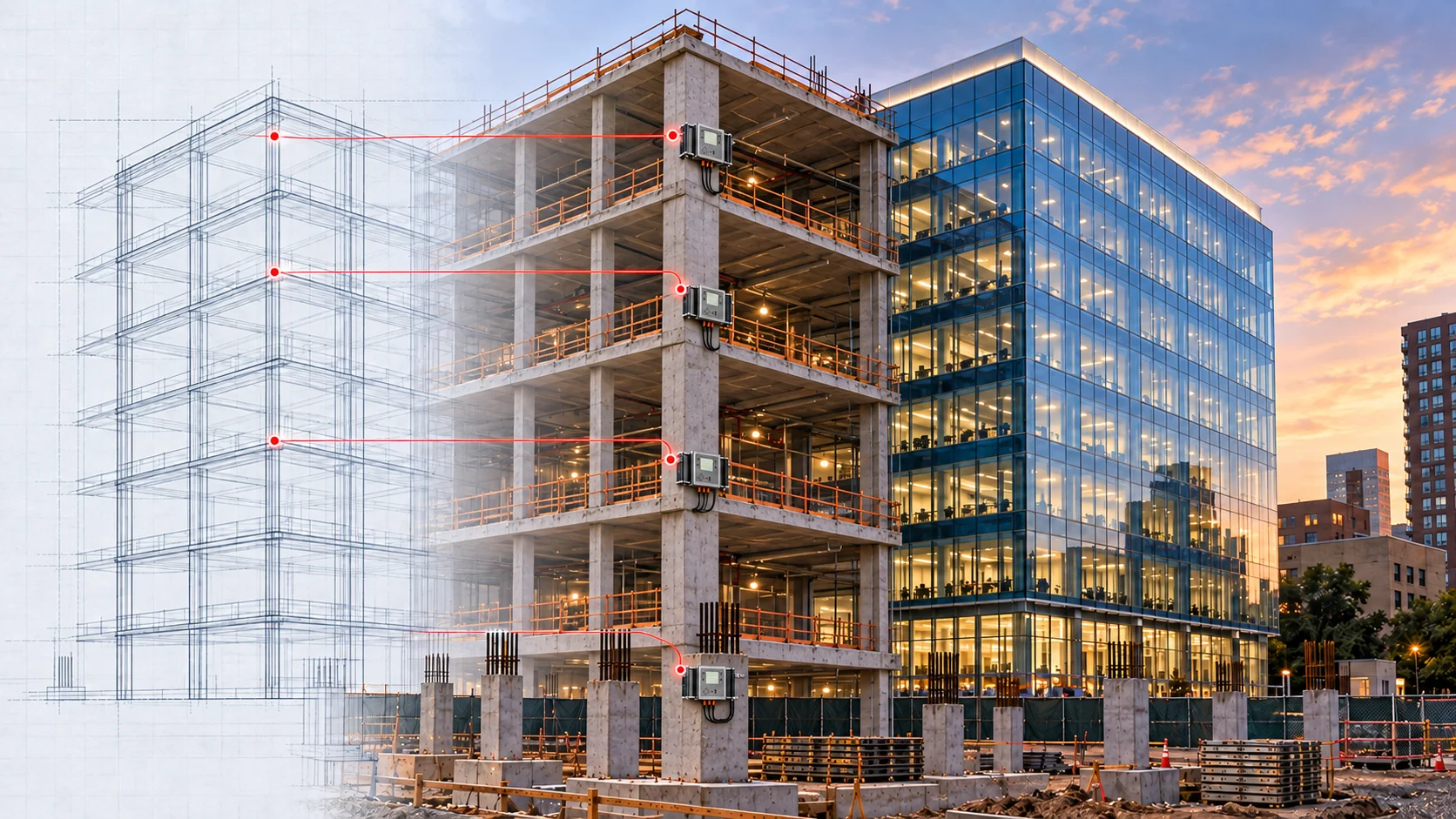
Building commissioning commonly checks whether systems perform as intended. The supplied structural-commissioning abstract proposes extending that idea to the building’s structural system: define the intended performance, measure the delivered structure, and carry the results forward as feedback for future decisions.
Start with the design intent
Before a measurement is taken, the owner and design team need to identify what performance question they want answered. That may involve expected behavior under wind, seismic, occupancy, or other design conditions; the applicable design basis; and what evidence would support acceptance.
Structural commissioning can then compare measured behavior with the expectations and criteria selected by the responsible engineer. Depending on the structure and question, measurements such as displacement per unit force, resonant frequencies, mode shapes, or damping may inform that comparison. Ambient-response testing can be relatively non-intrusive, but no single method answers every question. Test conditions, instrumentation, uncertainty, and acceptance criteria belong in the record.
A measured response is evidence for engineering interpretation. It is not automatically a direct measurement of every member’s capacity, a code-compliance certificate, or a guarantee of future safety.
Close the feedback loop
The abstract proposes structural commissioning for new and existing structures. When completed construction or renovation is assessed against the design intent, the results can give owners a more objective performance record and help designers, developers, and contractors learn how the delivered structure compares with the assumptions used to design and build it.
If retained over time, that record can support later assessments after changes in use, renovation, exposure to significant events, or other conditions that may affect performance. It can also make community-scale resilience discussions more evidence-based by documenting what has been measured and what remains unknown.
Structural commissioning is a proposed engineering practice; it should not be confused with a statutory inspection program. For example, Florida’s milestone-inspection law applies to covered condominium and cooperative buildings and defines its own inspection steps and reporting requirements.
How this differs from a handover baseline
Our separate article, “Commissioning should leave a baseline, not just a handover”, focuses on preserving a usable reference record at turnover. This article focuses on the broader commissioning question: did the delivered structure perform in line with the design intent, and how can the findings improve future design, construction, and asset decisions?
For STRAAM’s related service, see Structural Commissioning.
More from the archive
Keep exploring the evidence.
Browse all insights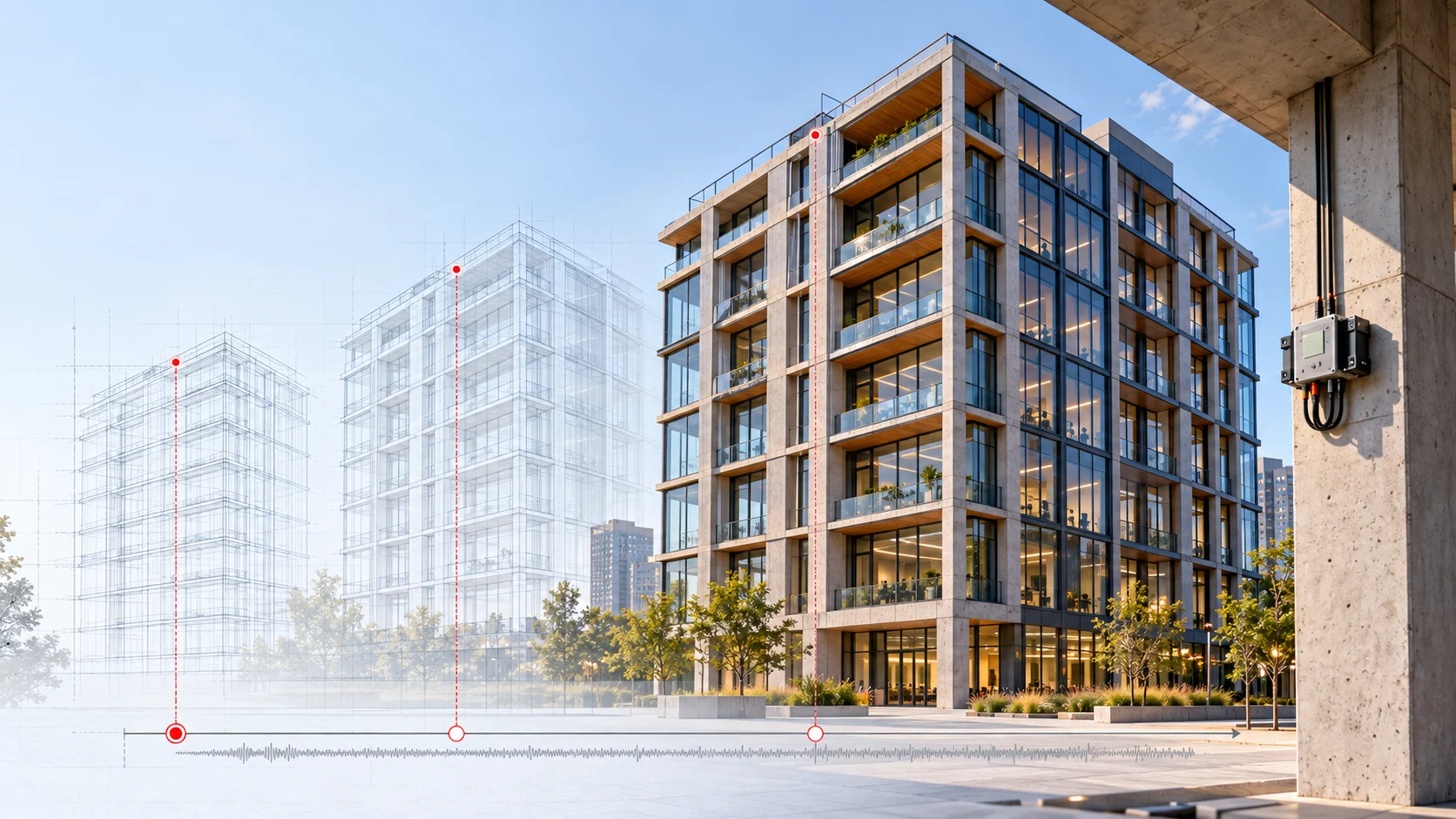
Commissioning should leave a baseline, not just a handover.
Structural commissioning connects intended performance, measured verification, and a baseline that remains useful after handover.
Read insight