What Catastrophe Models Can’t See About a Building
Catastrophe models estimate the hazard. Building-performance data adds another layer: evidence of how an individual structure actually behaves before and after an event.
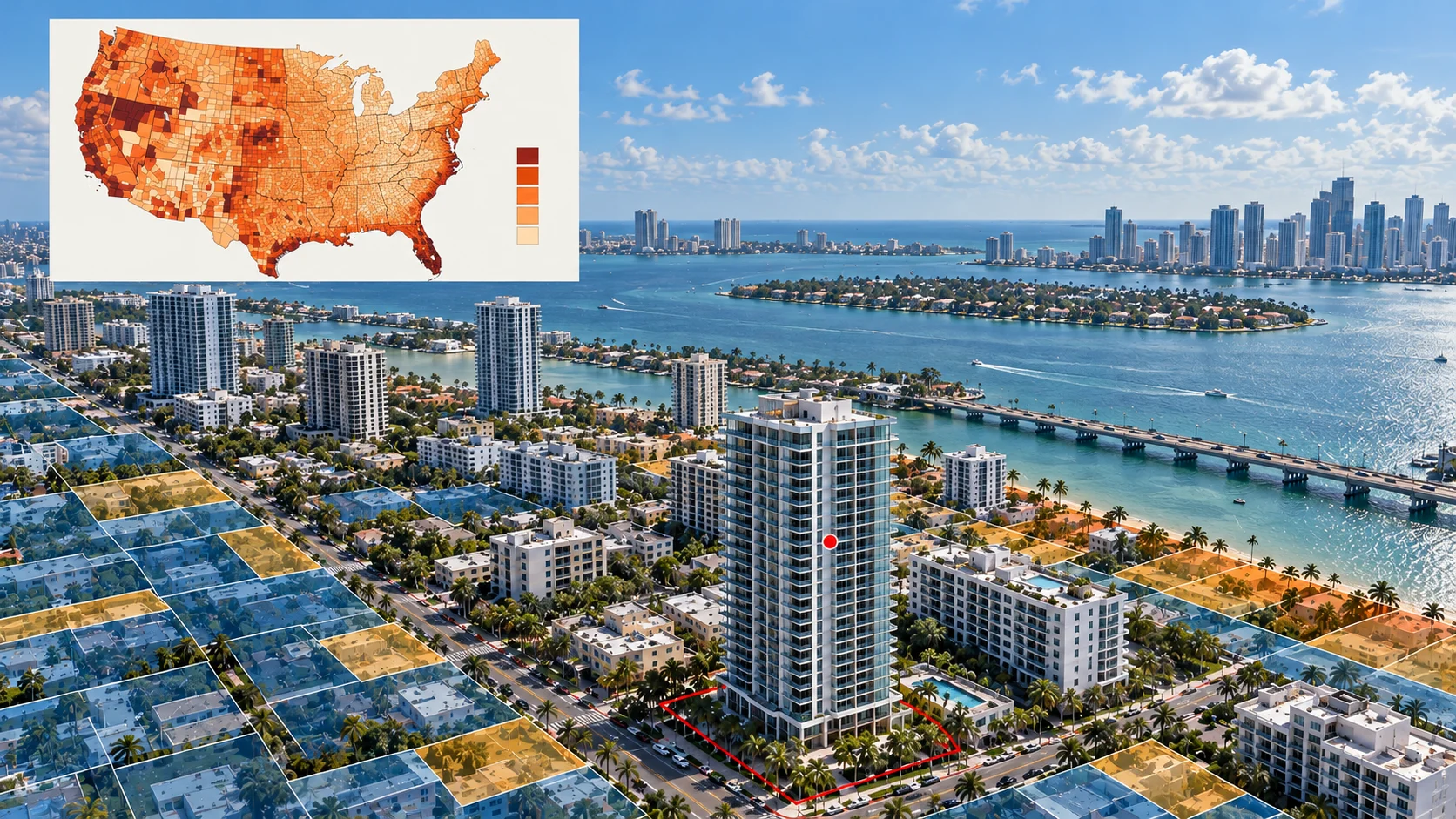
Catastrophe models are essential for estimating losses from earthquakes, hurricanes, and other major events. But the quality of those estimates depends on the information behind them. When diverse buildings are grouped into broad classifications, important differences in how individual structures are likely to respond can be difficult to capture.
Building-performance data can add a structure-specific layer of evidence. By measuring how a building behaves before an event—and identifying meaningful changes afterward—insurers, risk managers, and engineers can better understand vulnerability, prioritize response, and reduce uncertainty around individual assets.
Why building-level detail matters
Catastrophe models translate complex hazards into estimates of damage and financial loss. At the portfolio level, this is essential. At the level of an individual property, however, generalized assumptions may not capture the conditions that make one structure more vulnerable than another.
That uncertainty has practical consequences. After a major event, damage must be investigated, claims resolved, inspections prioritized, and decisions made about repair and reoccupancy. Hazard-based information tells us what happened around a building. It does not necessarily tell us what happened to the building itself.
Structure-specific measurements can help narrow that gap. They do not replace catastrophe models, engineering judgment, or physical inspection. They provide another source of evidence about how an asset is performing and whether its condition has changed.
The same event does not produce the same structural response
Earthquakes and tropical cyclones are often summarized by a magnitude, category, wind speed, or ground-motion value. A structure experiences something more complex. Direction, duration, frequency content, and peak intensity can all influence its response.
The building then responds according to its own physical characteristics. Geometry, construction, condition, modifications, deterioration, previous damage, and local weaknesses can all affect how energy moves through the structure. Two apparently similar buildings can therefore react differently to the same event.
For catastrophe risk management, that distinction matters. A building is not simply an entry in a model. It is a dynamic system with measurable behavior.
Establishing a measurable baseline
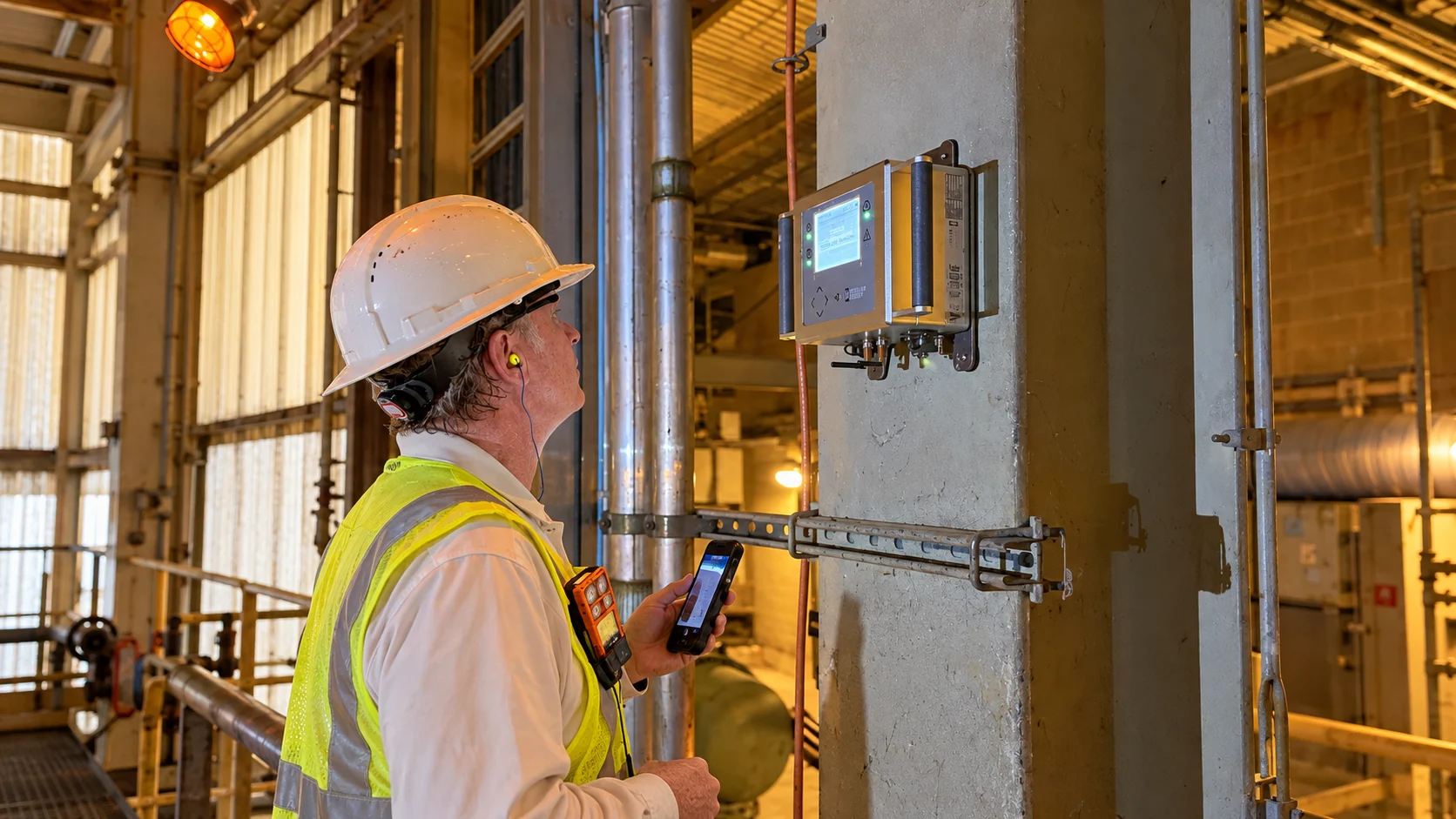
STRAAM technology measures a structure’s dynamic characteristics to help evaluate condition and risk. Depending on the required depth of analysis, measurements can be collected during a routine visit in roughly 30 minutes to several hours.
Those measurements can establish a baseline of structural behavior, identify areas of relative weakness, and support a more structure-specific understanding of risk alongside existing catastrophe models.
The baseline becomes especially valuable after an event. If the same characteristics are measured following an earthquake, severe storm, nearby construction activity, or another stressor, the new response can be compared with the earlier record. Meaningful differences can indicate where structural performance has shifted and where closer investigation may be warranted.
Continuous monitoring extends the same principle by tracking behavior over time and identifying smaller changes as they occur.
From hazard data to building-response data
For insurers and risk managers, building-performance measurements can help distinguish risk among assets that may otherwise look similar in a catastrophe model. After an event, measured changes can also help prioritize inspections, support claims triage, and focus engineering resources on structures showing stronger evidence of altered performance.
The same concept may also have implications for parametric products. A conventional parametric trigger is generally tied to the surrounding event, such as measured wind speed or ground motion. A measurement tied more directly to the response of the insured structure could provide additional evidence for decision-making. Any such application would require clearly defined thresholds, suitable validation, and agreement among the relevant engineering, insurance, and regulatory parties.
Supporting faster, better-targeted recovery
Post-event decisions are often constrained by uncertainty. Structures showing little or no meaningful change may be candidates for earlier follow-up and potential reoccupancy, subject to appropriate safety review. Structures showing significant change can be escalated for detailed inspection.
That prioritization matters operationally and financially. Prolonged closures can increase business-interruption losses and delay the return of residents, employees, and services.
Building-performance data can also help risk assessments evolve with the asset. Buildings age. They are modified. Their condition changes. Periodic measurements provide a way to update the understanding of a structure rather than assuming that its condition remains constant throughout its life.
A more responsive approach to catastrophe risk
Catastrophe models will remain central to insurance and reinsurance. Their value can be strengthened by better information at the building level.
Structure-specific performance measurements provide a practical way to document behavior, detect change, and connect an external hazard with the actual response of an insured asset. Used alongside existing models, inspections, and engineering assessments, they can help turn a generalized estimate of risk into a more informed understanding of the individual structure.
The objective is not to eliminate uncertainty. It is to reduce it—supporting better risk differentiation before an event and more timely, evidence-based decisions afterward.
More from the archive
Keep exploring the evidence.
Browse all insights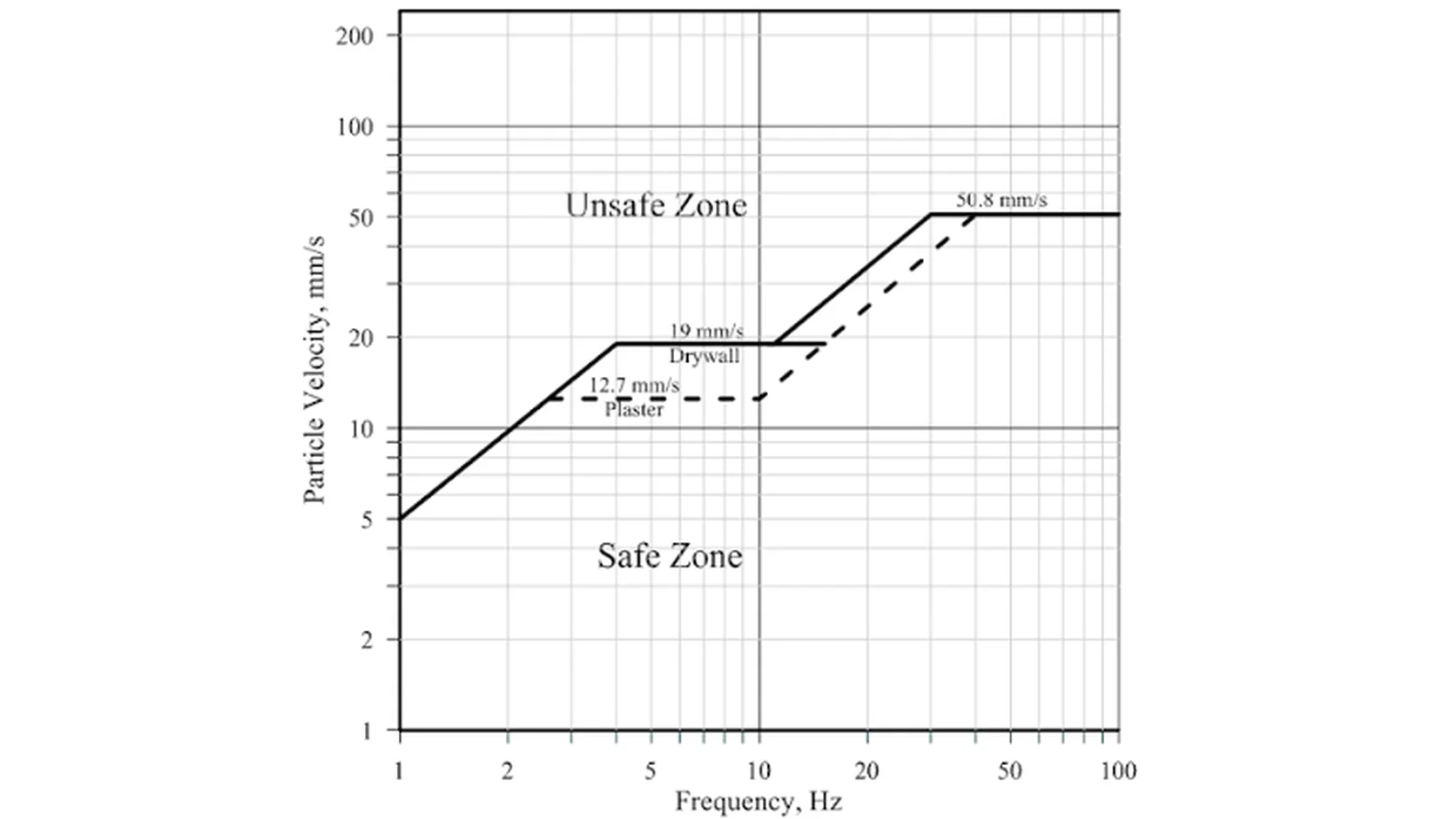
RI 8507 and Construction Vibration: Know the Scope Before Using a Limit
The 1980 USBM RI 8507 report studied blast vibration and residential houses. Its own scope notes matter when choosing monitoring methods for other building types and construction conditions.
Read insight