
Loading page
Allow Google Analytics to measure which site pages are visited and successful inquiries. It loads only after you choose allow. Read the privacy policy.
Our Services
STRAAM’s four core services are built to help you understand performance, recognize change, investigate concerns, and make more informed decisions.
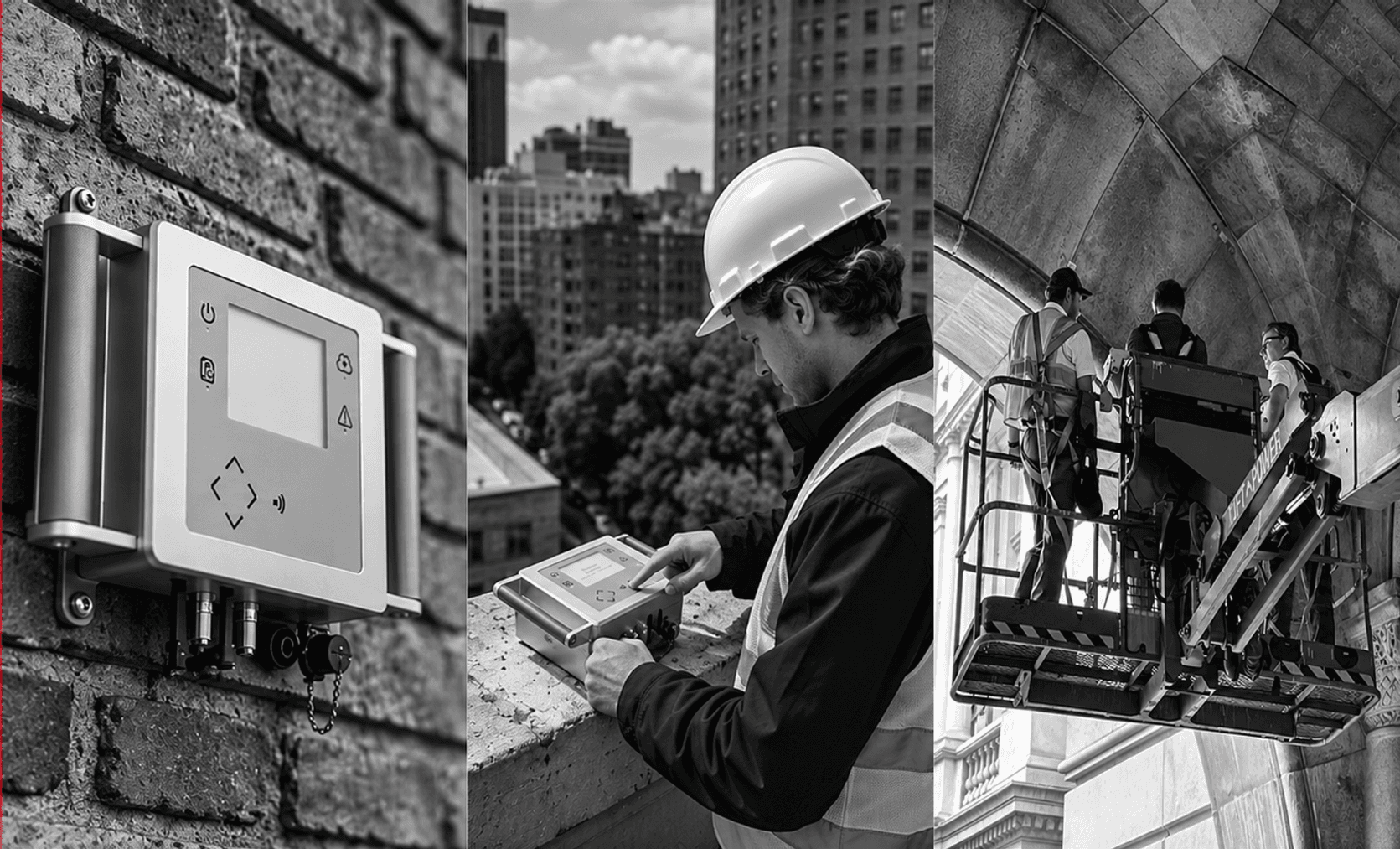
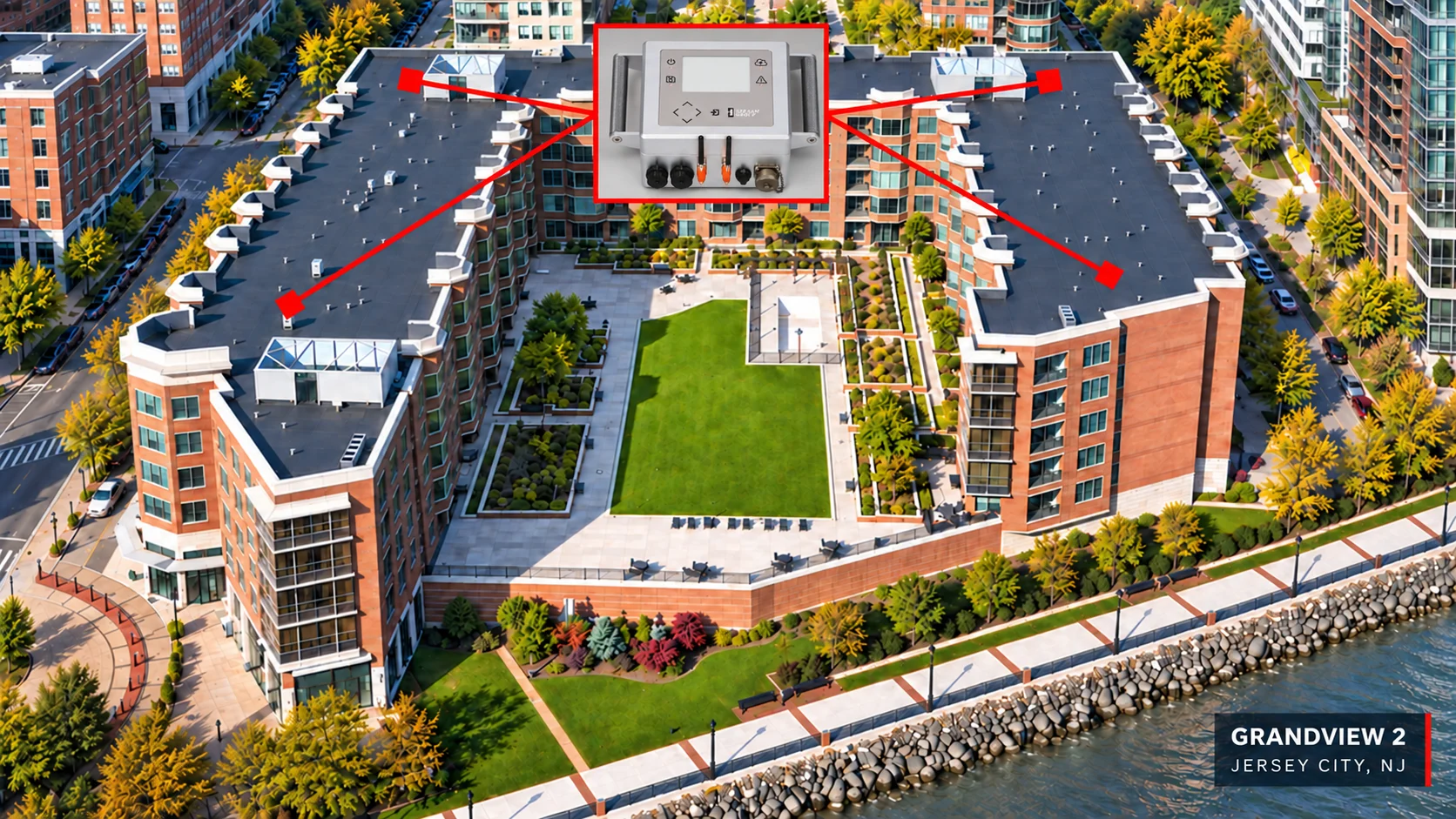
Know how your structure performs.
Our technology measures how a building responds to everyday forces under normal conditions.
The work
Every structure moves, even when that movement is too small to see. We use sensitive accelerometers to capture these naturally occurring vibrations and establish a dynamic signature: a measurable record of how the structure responds to everyday forces.
STRAAM's Structural Dynamic Analysis helps assess structural behavior, evaluate stiffness characteristics, and identify responses that warrant closer investigation. Owners and engineers can use the findings to meet code requirements, prioritize investigations and maintenance, inform analytical models, and assess changes following construction, aging, or significant events. Our non-invasive measurements add objective performance data to the broader understanding of a structure’s condition.
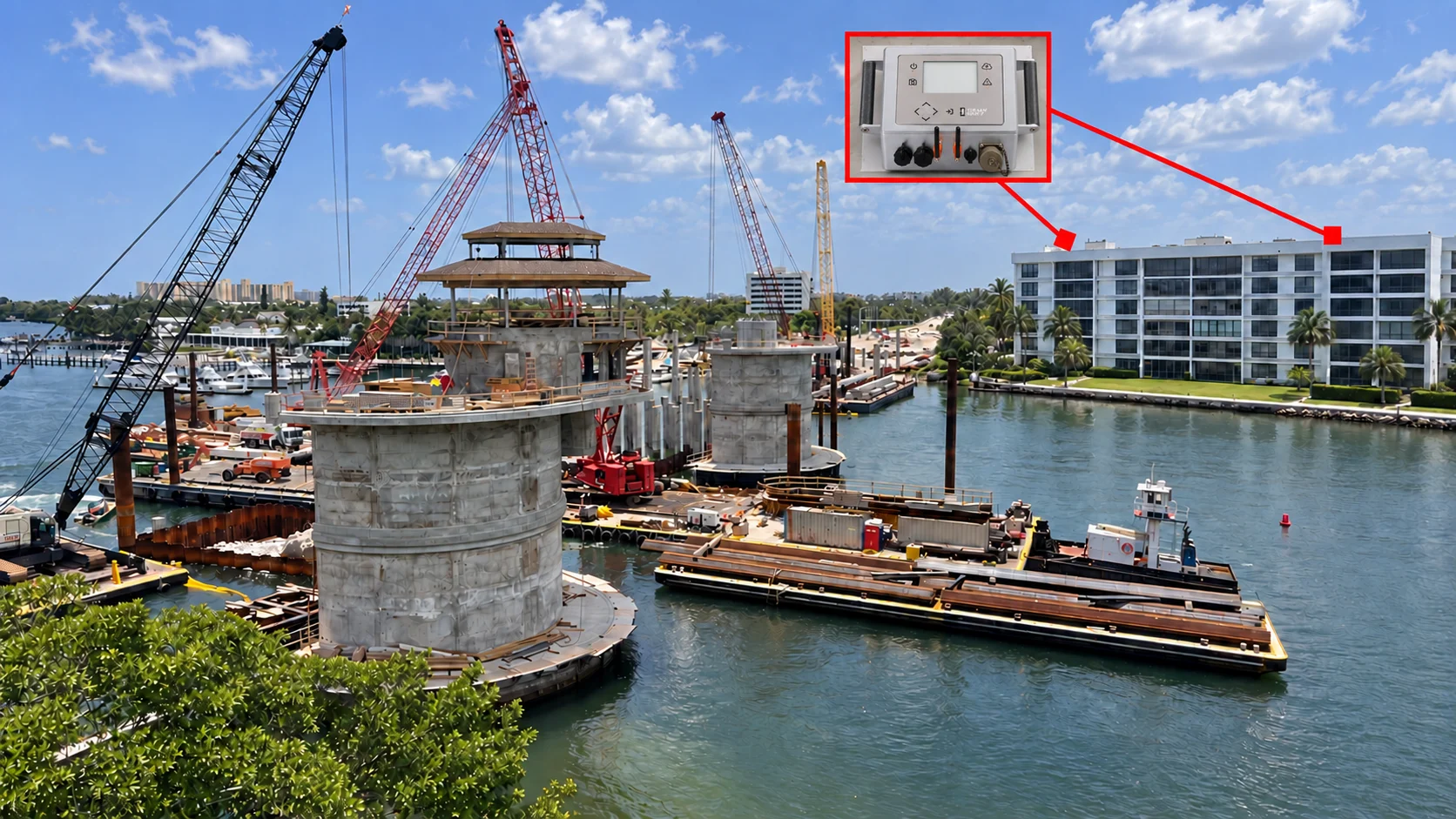
Know what changes—and when.
Our technology continuously measures how a structure responds to everyday forces—and tracks how that performance changes over time.
The work
Structures are constantly exposed to forces that can affect their performance. Nearby construction, earthquakes, extreme weather, heavy loading, and other significant events can introduce changes that may not be visible through inspection alone.
Continuous Monitoring uses strategically placed sensors to track a structure’s dynamic behavior and compare it against its established baseline. By measuring how different parts of the structure move together, STRAAM can identify changes in natural frequencies, mode shapes, and other performance characteristics that may indicate developing structural weakness.
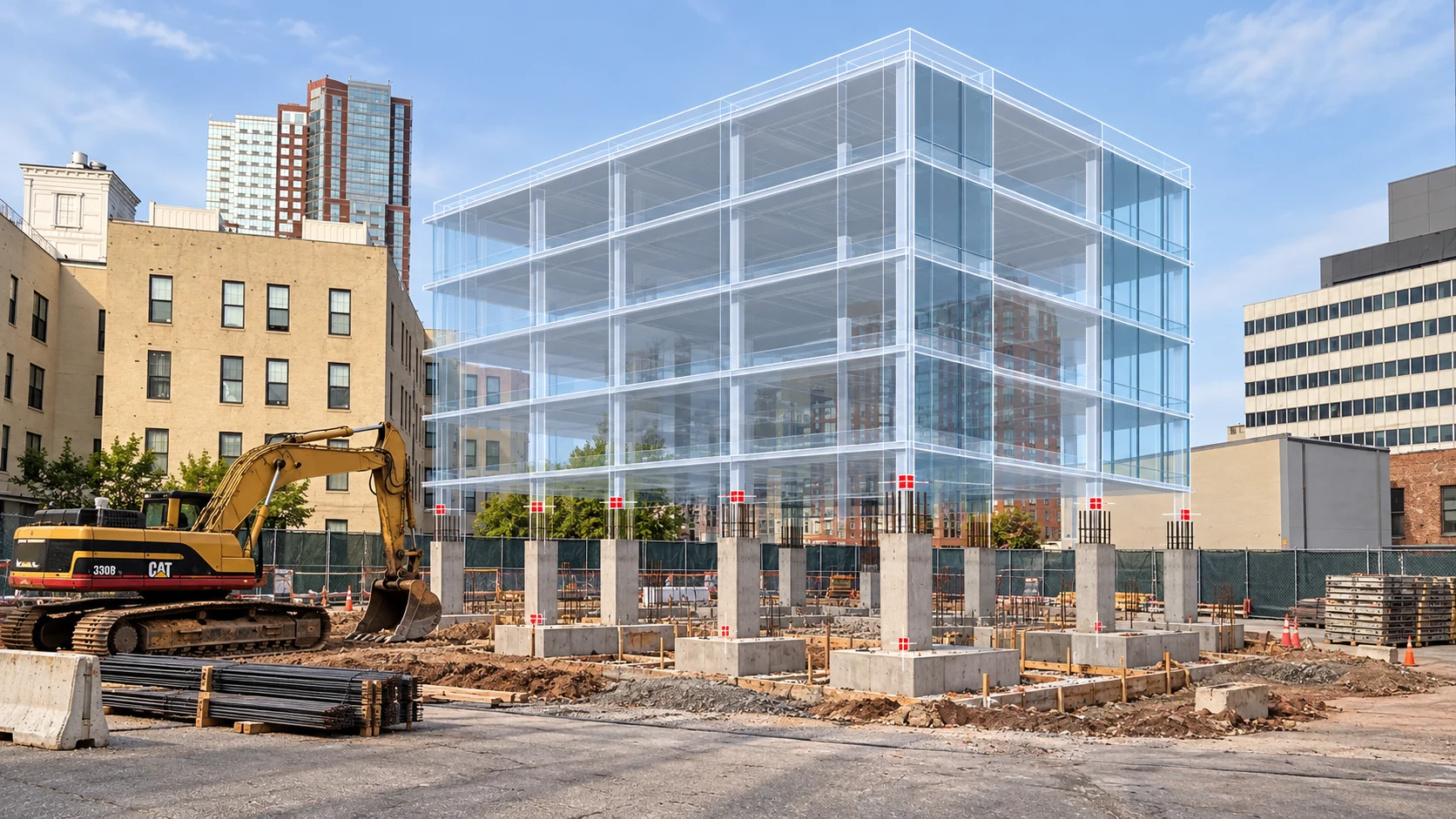
Verify that performance meets design during and after construction.
Our technology measures how a newly built or modified structure actually performs, providing objective data to validate its structural behavior.
The work
Structural commissioning verifies how a structure actually performs—not simply how it was expected to perform on paper. Using non-invasive dynamic testing, we measure key characteristics such as natural frequencies, mode shapes, and damping to provide an objective picture of whole-structure behavior.
These measurements can be compared with design assumptions, analytical models, expected performance, and applicable code requirements. This helps project teams verify whether observed behavior aligns with design intent and identify areas that may require further engineering review.
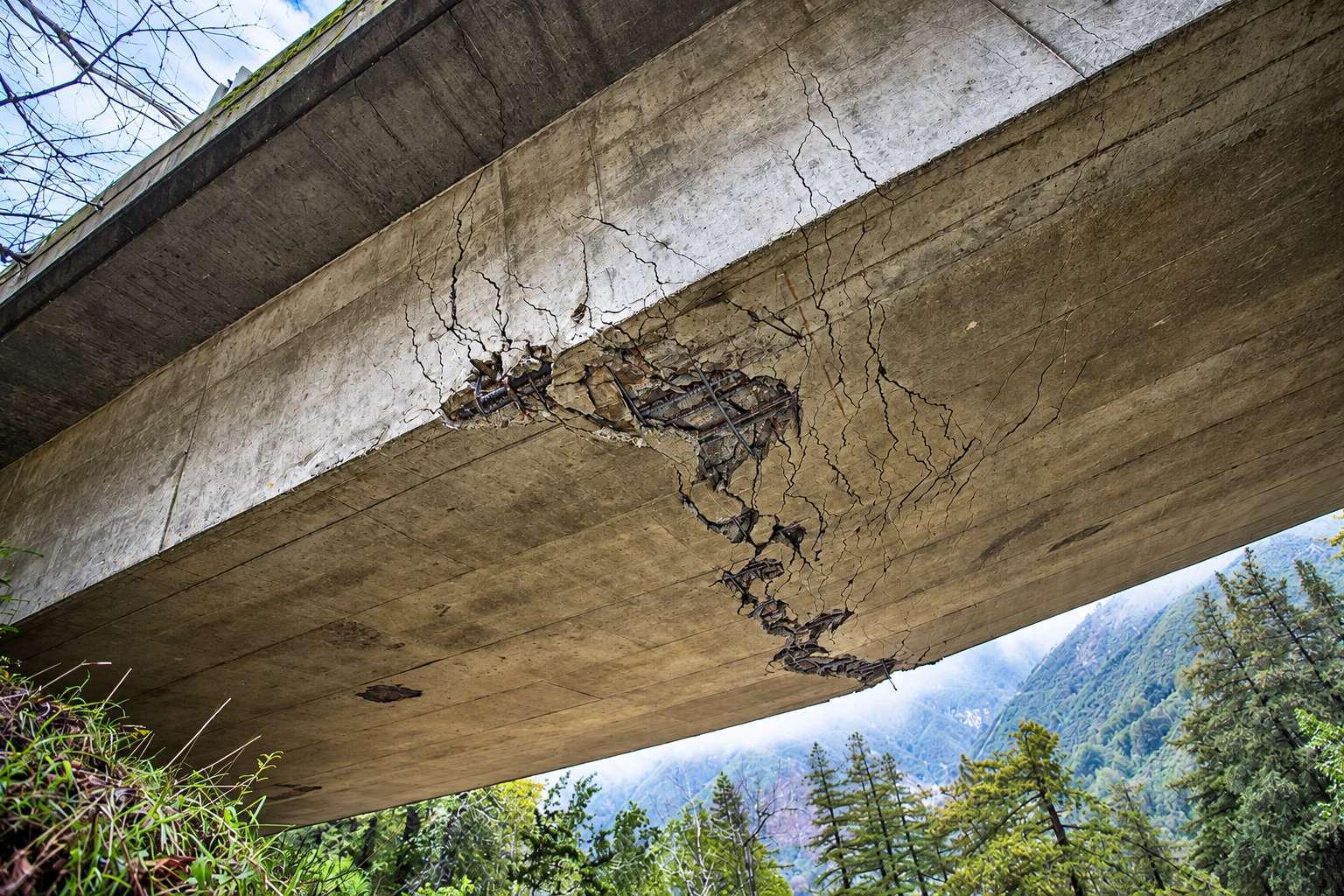
Find the evidence behind the damage.
When damage or structural concerns arise, our technology measures how the structure is behaving to help identify and locate indications of weakness.
The work
After an earthquake, impact, nearby construction, extreme weather, fire, unexpected movement, or other potentially damaging event, visible inspection may not tell the entire story.
STRAAM’s Forensic Testing measures the structure’s dynamic response to evaluate how its behavior has changed and where those changes are occurring. By analyzing natural frequencies, mode shapes, stiffness characteristics, and the relationship between movement at different locations, we can identify areas that warrant closer investigation.
When pre-event or baseline measurements are available, current performance can be compared directly against the structure’s previous behavior. Even without an existing baseline, structural dynamic analysis can provide objective information to support a broader forensic investigation.
When meaningful changes occur, engineers and owners can see where the structure is behaving differently and investigate why. This provides objective performance data to evaluate the impact of an event, prioritize inspections and repairs, and make more informed maintenance decisions.
Continuous Monitoring provides an ongoing understanding of how a structure is performing, how it responds to significant events, and when that performance changes.
Testing can support new construction, existing structures, and completed repairs or rehabilitation, while also establishing a documented baseline for future assessments and monitoring.
The result is measurable feedback that complements traditional inspections and analysis, helping owners and engineers support code requirements, verify performance, and make better-informed decisions about the structure.
The result gives engineers, owners, and other stakeholders measurable evidence to help locate potential weaknesses, focus further investigation, and better understand the structure’s condition.